
AI Regulation Explained: Federal vs State AI Laws in the US

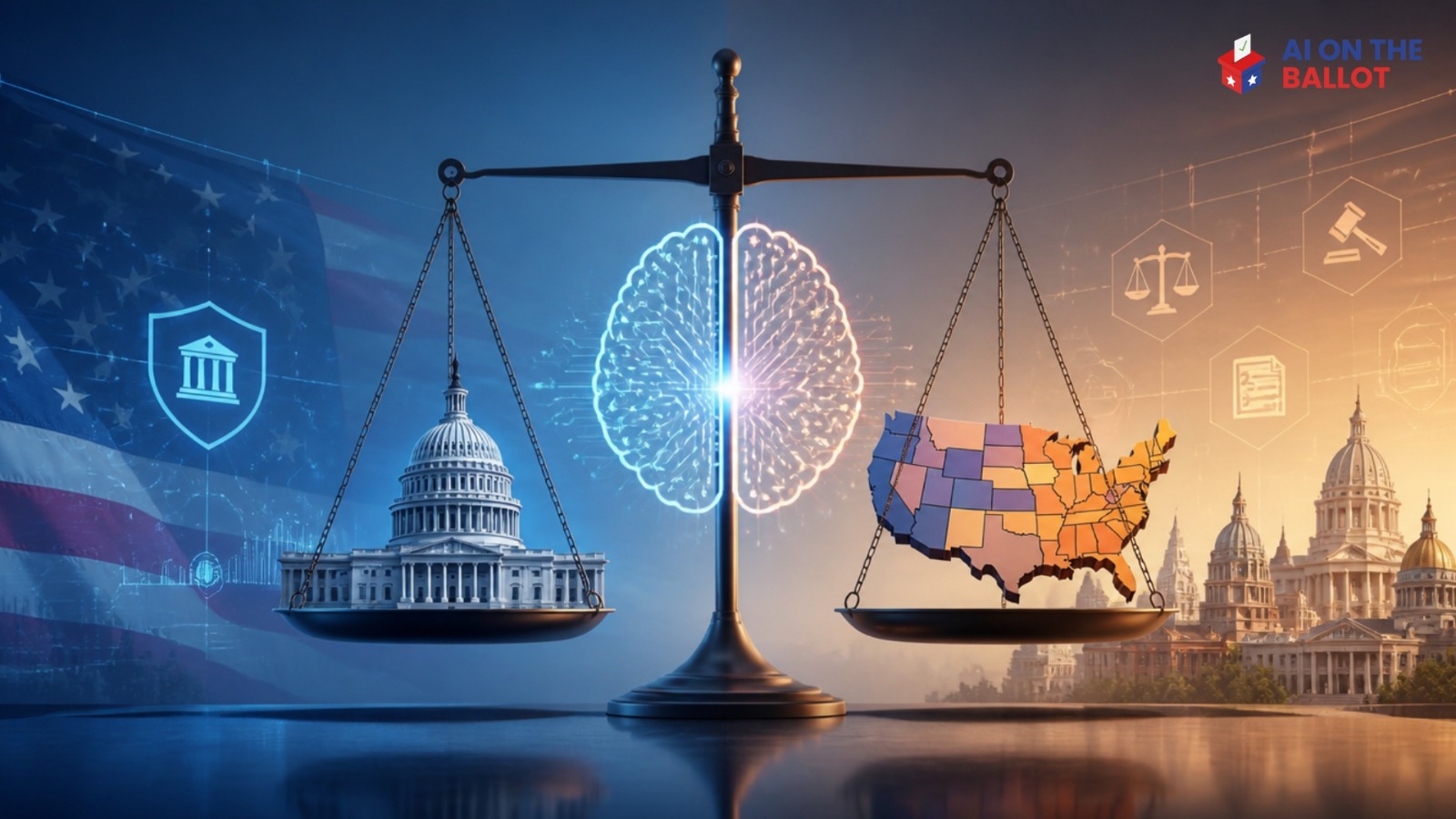
Artificial intelligence rapidly reshapes business operations across America today. Lawmakers now establish comprehensive AI regulation to protect consumers and national security. Companies deploy algorithmic tools faster than ever across healthcare, finance, and hiring. These automated systems process vast amounts of sensitive commercial data continuously. Navigating overlapping legal standards creates significant operational hurdles for modern enterprises. Rapid technological innovation demands clear federal AI regulation to unify fragmented commercial practices. Leaders must understand these evolving legal frameworks to prevent costly financial penalties. Ignorance of emerging statutory requirements leaves organizations vulnerable to severe regulatory scrutiny. State and federal lawmakers approach algorithmic oversight from different strategic perspectives. Proactive businesses study evolving AI regulations to maintain seamless market access across state borders. Transparent leadership ensures organizations build enduring trust while deploying powerful automation tools. Responsible governance practices distinguish respected industry leaders from reckless technology adopters.
What Is AI Regulation?
At its core, AI regulation sets legal rules and ethical boundaries for intelligent algorithms. Governments define standards for data collection, safety testing, and automated decision-making. These frameworks establish clear organizational accountability when automated systems cause unintended public harm. Transparent legal requirements protect individuals while encouraging safe technological progress across industries. The primary purpose involves protecting consumer rights and preventing digital discrimination. Emerging AI laws in the US prohibit biased algorithms in lending, insurance, and employment. Transparent AI policies ensure technological systems serve public interests without violating individual civil liberties. Thoughtful statutory guardrails ensure algorithmic outcomes remain fair, explainable, and fully auditable. Governments regulate machine learning models to prevent systemic financial and security risks. Thoughtful AI regulation encourages responsible technological innovation while curbing dangerous corporate practices. Clear rules give companies legal certainty to develop transformative algorithmic products safely. Public safety mandates ensure that autonomous systems operate within strictly defined parameters.
Federal AI Regulation in the United States
Federal authorities approach algorithmic oversight through targeted agency guidance and executive directives. The White House utilizes executive orders to shape baseline federal AI regulation across executive agencies. These orders direct federal agencies to establish robust safety standards for critical infrastructure. Administrative departments must evaluate algorithmic risks before deploying advanced software tools internally. Major federal agencies actively enforce consumer protection statutes against deceptive algorithmic practices. The Federal Trade Commission and Equal Employment Opportunity Commission aggressively enforce existing civil rights statutes. Ongoing agency enforcement strengthens federal AI regulation without requiring new congressional statutes immediately. Federal regulators hold companies strictly accountable for false marketing claims regarding algorithmic capabilities. National standards institutes publish comprehensive risk management frameworks for private organizations. Federal regulators encourage technology developers to adopt voluntary testing benchmarks and safety assessments. These federal initiatives guide private companies toward responsible and transparent computational deployments.
State AI Laws: What States Are Doing
California
California consistently pioneers aggressive privacy protections and algorithmic transparency standards. State lawmakers pass strict state AI laws targeting automated decision systems and generative media. Developers must provide clear disclosures when consumers interact with artificial intelligence models.
Colorado
Colorado enacted landmark legislation targeting algorithmic discrimination in high-stakes consumer decisions. The state mandates comprehensive impact assessments for high-risk algorithmic tools before deployment. Developers and deployers must mitigate known discrimination risks under strict state oversight.
Illinois
Illinois enforces strict regulations regarding biometric data collection and automated employment interviews. The Artificial Intelligence Video Interview Act requires explicit applicant consent before algorithmic analysis. Employers must explain how analytical tools evaluate candidate performance during hiring.
Other Emerging States
Multiple other state legislatures introduce targeted algorithmic bills every single legislative session. Emerging state AI laws govern deepfakes, insurance calculations, and educational software deployments. This expanding patchwork forces multi-state corporations to adopt flexible legal compliance architectures.
Federal vs State AI Laws
Navigating diverse AI laws in the US requires understanding fundamental jurisdictional differences. Federal frameworks focus primarily on national security, defense procurement, and broad administrative guidance. State statutes impose binding operational mandates and consumer protection rules directly on businesses. Enforcement mechanisms also diverge significantly across these two governmental levels. Federal trade agencies police deceptive commercial practices nationwide using existing administrative authorities. Meanwhile, state attorneys general and local courts enforce specific state statutes aggressively. Compliance obligations vary considerably between federal guidelines and state mandates as well. Federal authorities encourage voluntary risk frameworks and proactive internal safety reporting. Conversely, state laws require mandatory impact assessments, algorithmic audits, and consumer disclosures. A comprehensive understanding of AI regulation prevents operational friction across multiple regional markets. Multi-state enterprises must reconcile national safety standards with local statutory requirements seamlessly. Proactive compliance strategies protect corporate assets and ensure uninterrupted business operations nationwide.
How Businesses Can Stay Compliant
Organizations must execute regular algorithmic risk assessments across all operational workflows. Compliance officers must evaluate data quality, potential algorithmic bias, and security vulnerabilities. Identifying systemic model weaknesses early protects enterprise assets and preserves customer confidence. Rigorous risk audits establish clear accountability across all internal software development teams. Maintaining thorough technical documentation remains essential for successful AI compliance audits. Engineering teams must record training data sources, model architectures, and performance validation results. Detailed audit trails prove legal compliance when regulatory bodies examine automated decision-making systems. Complete documentation protects organizations against accusations of deceptive algorithmic practices.
Companies must establish continuous monitoring protocols to catch post-deployment model drift quickly. Dedicated governance teams review unexpected algorithmic behaviors and correct errors before public harm occurs. Ongoing human oversight ensures automated systems consistently adhere to enterprise ethics policies. Executive leadership must build cross-functional teams to manage internal AI compliance programs. Combining legal counsel, data scientists, and risk officers ensures comprehensive organizational oversight. Structured governance committees create agile policies that adapt swiftly to changing statutory requirements.
FAQs
1. What is AI regulation?
AI regulation defines legal rules that govern the development, deployment, and operation of algorithmic systems.
2. Are there federal AI laws in the US?
Congress has not passed a single comprehensive law yet. Federal agencies enforce existing laws and executive orders.
3. Which states have AI regulations?
California, Colorado, Illinois, and several other states enforce specific algorithmic and consumer protection laws.
4. How do state AI laws differ from federal rules?
State laws impose direct mandates on private businesses. Federal guidance focuses on agency oversight and national standards.
5. What is AI compliance?
AI compliance means aligning organizational algorithmic systems with applicable federal and state legal requirements.
6. How can businesses prepare for AI regulation?
Businesses should conduct algorithmic risk assessments, maintain detailed documentation, and establish strong cross-functional governance teams.