

AI and Election Security: Can AI Protect or Threaten Democracy?

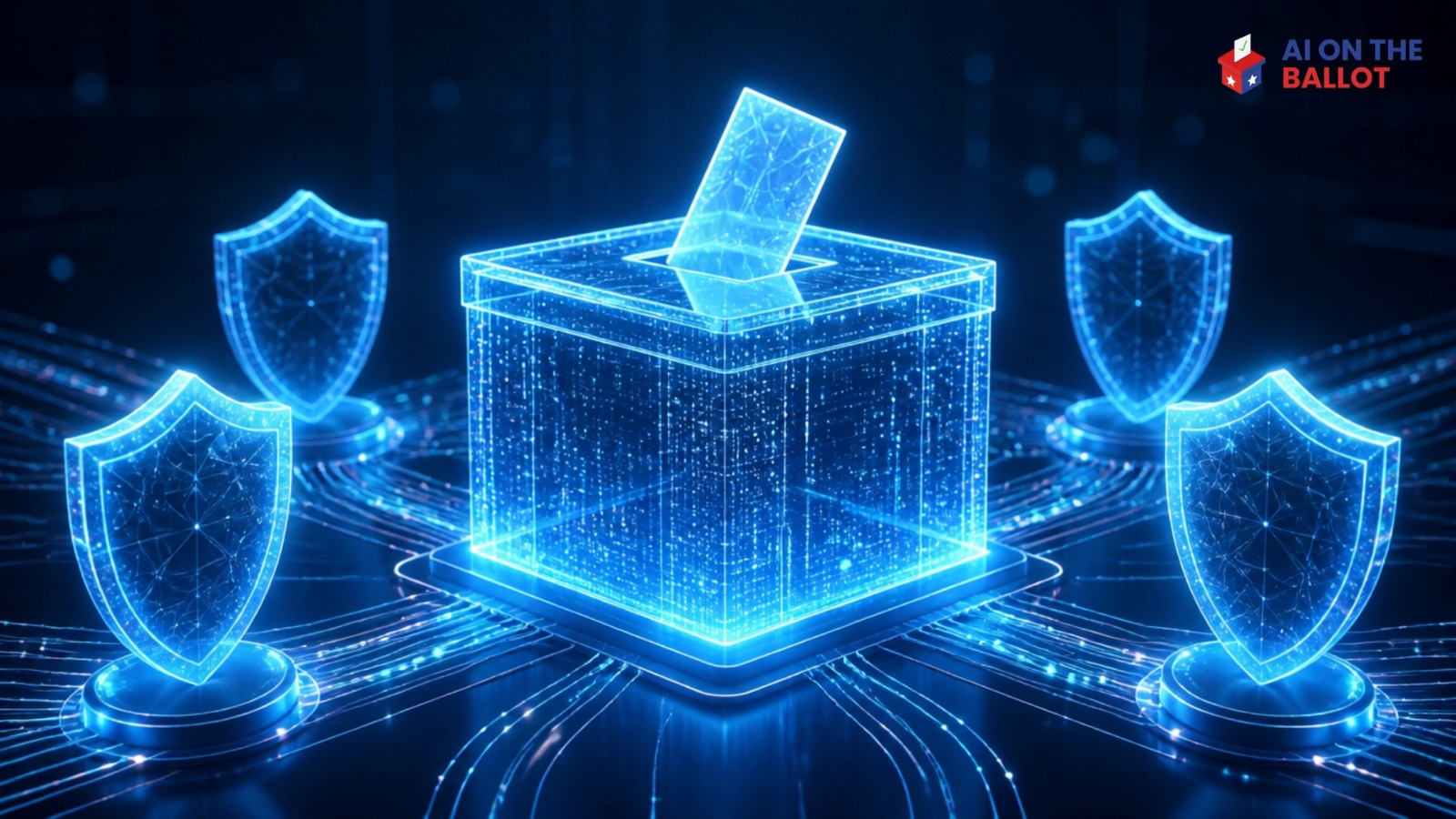
Free nations depend on honest voting systems to keep public trust. Today, smart software changes how people vote and read political news. Digital tools bring fresh powers to election offices across the globe. Modern leaders must prioritize AI election security to defend voting networks from attacks. Strong defenses protect civic trust during every voting cycle. Smart tools shape political debates and voter choices in surprising ways. New apps create fake videos, clone candidate voices, and send automated text messages. These quick shifts spark fierce debates about the future of AI and democracy. Citizens now ask whether smart code protects voting rights or hurts public faith. Public debate must guide how officials use these new digital tools.
Election staff work hard to balance new tools with strict safety rules. They must guard voting records from foreign hackers and local bad actors. Proactive AI election security safeguards ensure that democratic groups stay honest, strong, and open. Clear oversight keeps every ballot safe from digital meddling.
What Is AI Election Security?
Modern AI election security means using smart programs to shield voting systems from harm. These programs watch voting networks, check voter names, and spot strange online moves. In modern elections, computers help small local offices handle massive data files fast. Smart software finds system flaws before hackers can strike. Early detection stops minor digital glitches from becoming major public crises.
Today, election workers face nasty cyberattacks, online bot networks, and tight budgets. Bad actors launch automated bots to spread false voting hours and wrong poll sites. Defending against these fast threats requires strong AI election security systems in every precinct. Election teams must train staff to spot automated online scams quickly.
How AI Can Improve Election Security
Security teams run smart tools to scan voting systems for bad web traffic. Automated programs flag illegal login tries and fake email scams right away. These tools boost local election cybersecurity defenses against foreign hacker rings. Quick threat detection lets technicians block dangerous internet connections in seconds. Fast alerts keep critical voting servers online during busy voting hours.
Smart systems also assist poll workers by checking signatures on mail-in ballots. Computer vision tools spot forged names and duplicate voter cards with great accuracy. Smart fact-checking tools bust viral lies before they fool voters on election day. Adding smart tools to AI voting systems speeds up audits and verifies real votes. Clean audit logs build strong confidence among local voters.
Risks AI Creates for Elections
Bad actors use smart code to create deceptive deepfake videos of political candidates. These fake audio tracks and fake pictures trick voters right before voting deadlines. Coordinated bot groups spread angry lies across social media apps automatically. These sneaky tricks attack the basic pillars of AI and democracy worldwide. Unchecked digital lies can distort genuine voter intent on election day.
Modern campaign teams collect massive piles of personal facts to target voters. Unchecked software studies shopping habits, voting records, and phone locations to predict choices. If hackers breach these private files, they expose citizen data to blackmail. Keeping tight voter data security stops bad actors from abusing private voter profiles. Strict privacy rules keep personal citizen data safe from commercial exploitation.
AI Voting Systems: Opportunities and Concerns
Placing smart algorithms inside voting machines brings clear perks along with real risks. Modern AI voting systems help disabled voters cast ballots through clear voice tools. These machines also translate ballot text into dozens of native languages instantly. However, software bugs or hidden coding bias could miscount votes and ruin election results. Careful testing must precede any live voting machine rollout.
Public trust demands total openness across all digital ballot counting systems. Secret commercial code often acts as a black box that outside experts cannot check. To protect public trust, leaders must use paper ballots alongside AI voting systems. Clear software designs ensure that citizens can check every vote by hand. Verified paper trails prove the accuracy of final vote counts.
Protecting Democracy in the Age of AI
Safeguarding fair elections requires bold teamwork from government teams, tech firms, and voters. Election teams must run test drills and train staff to spot fake media. Media literacy classes teach everyday citizens how to spot false news online. Investing in broad AI election security setups builds a strong shield for democracy. United efforts ensure that public faith in voting stays intact.
Leaders must implement several practical safeguards to protect voting rights:
- Digital Watermarks: Require clear tags on synthetic media to protect AI and democracy.
- Threat Drills: Run live tests on databases to boost election cybersecurity.
- Human Audits: Mandate verified paper audit trails for all AI voting systems.
- Data Locks: Encrypt voter registration rolls to guarantee strict voter data security.
Frequently Asked Questions
What is AI election security?
It means using smart defensive software to guard voting networks from online attacks and lies. These tools track voter lists, scan web traffic, and catch network leaks fast. Using solid AI election security shields voting databases from dangerous foreign and local hackers.
Can AI prevent election fraud?
Yes, smart software detects signature mismatches, duplicate voter cards, and illegal server logins. Smart tools find abnormal voting patterns across thousands of towns at the same time. These automatic checks boost local election cybersecurity plans and protect vote counts.
Are AI voting systems safe?
They stay safe only when paired with paper ballots and independent hand audits. Without physical paper copies, software bugs could distort final vote tallies without warning. Top computer experts insist that AI voting systems must always include direct human control.
How do deepfakes affect elections?
Deepfakes deceive voters by creating fake voice clips and fabricated videos of candidates. These fake clips spread false claims about polling hours, candidate plans, and voting sites. Left unchecked, deepfakes harm the healthy growth of AI and democracy.
What is voter data security?
It means guarding private voter registration files, home addresses, and party picks from hackers. Campaigns and election offices must use strong passwords and encryption to lock data. Solid voter data security stops data leaks and halts illegal voter profiling.
How can governments protect elections from AI threats?
Governments must require watermarks on fake political media and run routine system tests. Officials should also teach voters how to spot automated online lie campaigns. Setting up smart AI election security rules ensures that democracy stays safe and strong.