

AI and Voter Privacy: How Political Campaigns Use Your Data

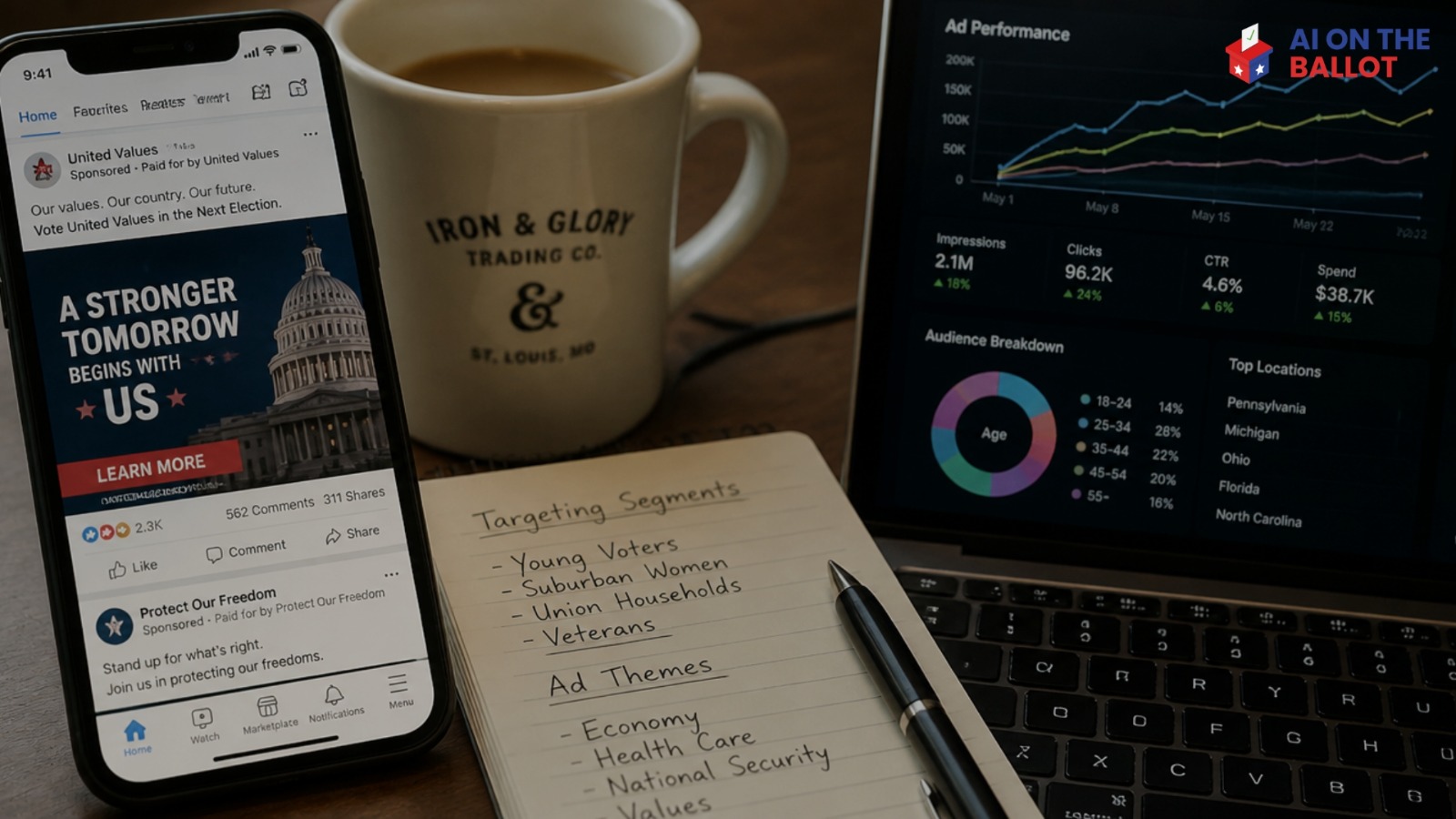
Modern political races no longer happen just on front porches and town squares. Today, digital algorithms track your civic choices every single hour. Political strategists study your online habits to forecast your vote. This rapid shift makes AI and voter privacy a pressing issue for every modern citizen.
Campaign teams rely heavily on machine learning tools to sort through millions of voter profiles. They track voter behavior across web pages and mobile applications with extreme accuracy. Consequently, citizens demand stronger standards for voter data privacy during every election cycle.
How Campaigns Gather Information About You
Political groups track and harvest personal voter information from hundreds of distinct channels. They pair old public voter rolls with real-time digital behavioral footprints. Through this process, campaign teams compromise political data privacy across social channels and commercial apps.
Public Records and Voting Archives
- State election agencies manage public lists of registered voters.
- These files show your street address, registration party, and past voting turnout.
- Canvassers collect your contact details during neighborhood door-to-door visits.
- Volunteer lists add phone numbers and email addresses directly into campaign databases.
Campaign analysts ingest these public records into powerful cloud databases. Software systems merge basic municipal data with active commercial behavioral trackers. Sophisticated teams build predictive models around AI voter targeting to classify swing voters.
Commercial Data Brokers and Online Activity
- Data brokers sell detailed consumer histories, shopping receipts, and digital app behaviors.
- Location sensors on mobile phones track rally attendance and public demonstrations.
- Social media platforms capture your comments, media shares, and political video views.
- Campaign teams buy digital marketing profiles to score your overall political leanings.
Specialized data vendors match retail purchase histories with county voter rolls. They evaluate whether you buy electric cars, hunt, or support unions. Campaign operatives use these insights to compromise voter data security across unencrypted channels.
How Artificial Intelligence Powers Microtargeting
Artificial intelligence detects behavioral patterns that human field staff would miss. Machine learning engines evaluate billions of voter traits within fractions of a second. Modern debates on AI governance and elections focus heavily on these opaque predictive tools.
Microtargeting and Message Customization
- Campaign software groups citizens into small behavioral segments based on daily fears.
- Algorithmic systems rewrite campaign headlines to trigger specific psychological voter responses.
- Digital platforms display different issues to voters who share the same street address.
- Campaign operations maximize ad engagement by tweaking emotional triggers continuously.
Algorithms generate unique advertisements for micro-segmented groups of neighborhood voters. One household sees messages about property crime, while neighbors see messages about schools. Our latest AI policy election series examines how tailored outreach distorts political realities.
Generative AI and Automated Canvassing
- Artificial intelligence tools generate personalized direct mail letters and campaign flyers.
- Interactive chatbots send automated text messages directly to personal mobile devices.
- Voice cloning systems deliver customized synthetic audio messages during primary races.
- Automated systems answer citizen queries through scripted algorithmic talking points.
Robotic campaign accounts mimic human volunteers in direct messaging conversations. These automated systems adapt their language to keep voters engaged longer. Analysts discuss these deceptive persuasion methods across popular AI policy podcast episodes worldwide.
Explore the Future of AI in Elections
The Major Risks to Voter Data
Algorithmic campaigning brings severe risks to everyday democratic participation and individual freedom. Large data repositories remain prime targets for malicious political operators and foreign hackers. As machine learning advances, AI and voter privacy violations will occur more frequently.
Surveillance and Digital Profiling
- Predictive systems score your probability of voting on election morning.
- Software monitors social networks to pinpoint your shifting personal viewpoints.
- Machine models guess your core ideological positions without your explicit consent.
- Political platforms update digital files whenever you click news stories.
Civic agencies warn that mass profiling pushes citizens toward ideological extremes. When organizations categorize voters automatically, citizens lose autonomy over personal views. As a result, advocates push for strict enforcement of voter data privacy standards.
Cybersecurity Gaps and Shadow Markets
- Political campaigns store vast databases on servers with weak protective barriers.
- Many campaign groups lack formal technical staff to secure confidential voter profiles.
- Data thieves exploit election databases to steal voter identities and private contacts.
- Political consultants often trade voter databases across unregulated offshore private markets.
Weak digital security turns private voter records into accessible targets for data thieves. Small political organizations rarely invest enough resources into routine software patching. Such negligence creates enormous vulnerabilities for voter data security on public campaign networks.
The Path Toward Sound Regulation
Current privacy frameworks provide little oversight for private election-related data collection. Traditional consumer protection statutes often exempt registered political organizations from common compliance rules. Strengthening political data privacy requires comprehensive updates to existing election statutes.
Key Policy Safeguards
- Governments must require explicit voter consent before processing personal biometric data.
- Independent watchdogs must audit algorithmic targeting systems during major political races.
- Regulators must compel political vendors to disclose training data for predictive campaign models.
- State laws should grant every citizen the legal right to delete campaign records.
Robust legal frameworks give voters transparent insight into algorithmic profiling practices. Independent election boards must hold modern consulting agencies legally accountable for unlawful harvesting. Clear boundaries will advance international goals for AI governance and elections everywhere.
Practical Steps for Voters
- Adjust the privacy settings across all your mobile apps and browsers.
- Turn off location tracking services whenever you attend rallies or community events.
- Opt out of political mailing lists and block invasive marketing numbers.
- Clear cookies regularly to disrupt behavioral tracking across election news portals.
Every citizen can take active measures to secure their personal browsing records. Minimize the digital breadcrumbs you leave behind while reading daily campaign updates. Informed public resistance remains a central theme across AI policy podcast episodes today.
Take Action for Civic Data Integrity
Democracy thrives only when citizens cast ballots without psychological profiling or hidden surveillance. Our reporting keeps you informed about digital political tactics and machine learning models. Dive deeper into algorithmic political manipulation during our specialized AI policy election series.
Ready to protect your digital rights at the voting booth?
Learn how artificial intelligence reshapes your democracy today.
FAQs
1. How do political campaigns collect voter data?
Campaigns harvest your data from public registration rolls, merchant purchases, and social platforms. Data brokers combine retail records with location tracking to monitor voter data security.
2. How is AI used for voter targeting?
Campaign engines sort citizen traits to execute precision AI voter targeting. Machine learning models craft tailored messages based on your specific online behavior and fears.
3. What type of personal data can political campaigns use?
Political teams track party status, consumer receipts, and internet browsing histories. Unregulated campaign operations weaken political data privacy by capturing location data from mobile devices.
4. Can AI put voter data privacy at risk?
Yes, algorithmic profiling systems actively erode individual voter data privacy. Unsecured campaign databases also leave sensitive files vulnerable to identity theft and digital breaches.
5. What is political data privacy?
This discipline secures sensitive voter choices and political opinions from illegal extraction. Maintaining these vital protections defends AI and voter privacy against algorithmic campaign abuse.
6. How can voters protect their personal information during elections?
Voters should restrict mobile location settings, reject marketing cookies, and use private browsers. Citizen vigilance supports broader global frameworks for AI governance and elections.