

Who Regulates AI in the US? Understanding Federal and State AI Policy

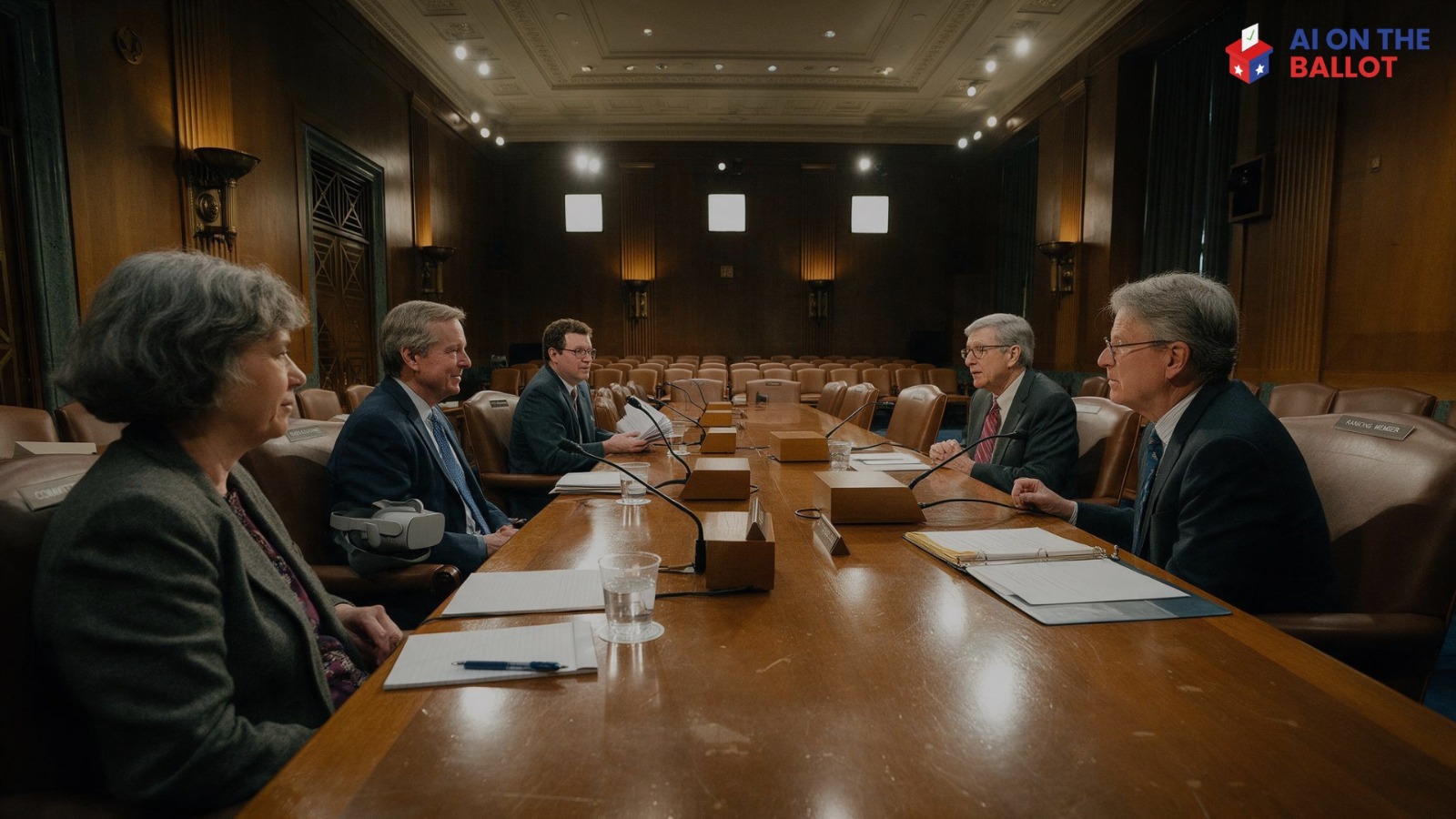
AI is currently revolutionizing healthcare, finance, work, and public administration across the country. Many citizens and executives wonder who regulates AI in the US today. The obvious response is that there is no one federal regulatory body that has sole jurisdiction. Rather, the jurisdiction has been divided among various governmental bodies. Federal agencies enforce existing civil rights statutes and consumer protection laws. Meanwhile, state legislatures pass binding rules to resolve urgent automated threats. This dual structure creates a fast-moving landscape for developers, employers, and consumers. Understanding this framework helps organizations adopt modern automated tools responsibly.
The Federal Approach to Artificial Intelligence Oversight
Congress has debated numerous proposals without enacting an omnibus artificial intelligence statute. Washington instead relies on executive branch orders and established agency powers. The White House uses presidential directives to guide technology procurement across agencies. In addition, federal research bodies establish voluntary risk benchmarks for private industry. The National Institute of Standards and Technology designs practical safety frameworks. These detailed benchmarks help software engineers identify system vulnerabilities and bias. Such voluntary efforts establish the core foundation of federal AI regulation.
Key Federal Agencies Overseeing AI Deployment
Established AI regulatory agencies monitor digital systems operating within their specific jurisdictions. These traditional watchdogs protect consumers from fraud, discrimination, and deceptive automated claims.
- The Federal Trade Commission penalizes deceptive commercial algorithms and false marketing claims.
- The Equal Employment Opportunity Commission investigates algorithmic workplace tools for civil rights violations.
- The Consumer Financial Protection Bureau stops automated credit algorithms from discriminating against borrowers.
- The Securities and Exchange Commission polices fraudulent technology disclosures and automated trading schemes.
- The Food and Drug Administration inspects machine learning diagnostic software for clinical safety.
These agencies apply established laws directly to complex machine learning platforms. Regulators actively update technical guidelines as automated software enters everyday commerce. This active enforcement ensures that companies remain legally accountable for automated errors.
National Security and Executive Action
Executive orders mandate that developers of advanced computing systems share safety tests. Federal departments also protect domestic computer chip supply chains against foreign competitors. Government agencies must audit internal algorithmic software to prevent security compromises. These directives maintain national competitiveness while establishing baseline digital standards across agencies. The White House continues refining AI policy in the US through agency guidance. These administrative steps prepare government personnel for sudden technological shifts.
State Governments Lead the Legislative Push
Because federal legislation moves slowly, state legislatures actively address algorithmic risks. State lawmakers pass practical statutes that directly affect consumers and local workers. State representatives introduce hundreds of technology proposals during each legislative session. They focus directly on automated bias, personal biometric privacy, and algorithmic transparency. Many governors sign targeted measures that quickly reshape corporate compliance duties.
Comprehensive Consumer Protection Statutes
Several states now enforce broad consumer statutes that cover automated algorithmic profiling. Colorado enacted landmark rules protecting consumers from algorithmic discrimination in consequential life areas.
California regulators continuously expand privacy rules to regulate automated decision tools. These expanding state AI laws give consumers legal rights against automated profiling.
- Companies must complete documented risk reviews before using high-risk automated tools.
- Businesses must notify consumers whenever automated algorithms decide important life opportunities.
- Consumers can opt out of automated profiling for loans, housing, and insurance.
- Software developers must test models continuously to eliminate unlawful discriminatory outcomes.
Corporate compliance teams often apply these strict regional requirements to national operations. Following the strictest state standard prevents conflicting operational headaches across state lines.
Targeted Rules for Employment and Biometrics
Many cities and states regulate specific automated risks rather than entire industries. For example, New York City requires independent bias audits for automated hiring platforms. Employers must post these audit results publicly before evaluating job applicants. Illinois strictly restricts how commercial platforms collect and analyze facial recognition data. These specific regional rules force employers to examine their automated hiring tools carefully. Businesses operating nationwide must track these distinct local ordinances to avoid fines. Knowing who regulates AI in the US requires reviewing municipal ordinances alongside state laws.
Democratic Integrity: Elections and Public Trust
Synthetic media creates severe challenges for election administrators and ordinary voters nationwide. Partisans can produce convincing clone audio clips and fake video footage rapidly. Deceptive synthetic media may confuse voters ahead of key elections. Comprehensive AI governance election analysis assists legislators in pinpointing any emerging weaknesses within current campaign legislation. Officials continuously update legal language to match advances in automated media generation.
Regulating Synthetic Media and Campaign Deception
More than thirty states now enforce statutes that govern synthetic election advertisements. Most measures require political campaigns to label computer-generated campaign media clearly. Several states ban deceptive synthetic campaign media during the final weeks before voting. These statutes allow targeted political candidates to seek fast court injunctions against deceptive content. Recent election cycles demonstrate why transparent disclosure rules matter to voters. Automated voice clones and misleading video clips already confuse voters during primary contests. Sound AI governance and election policy demands close cooperation between election administrators and tech platforms. Clear public guidance ensures that voters receive reliable facts about voting procedures.
Information Integrity and Automated Chatbots
Voters now routinely ask conversational chatbots for polling booth locations and voting hours. However, independent research shows that automated tools frequently provide incomplete voting advice. Researchers monitor how generative search summaries present candidate information and registration deadlines. State secretaries urge commercial developers to direct voters toward official government portals. Addressing these civic information gaps remains an essential part of AI policy in the US. Government officials work with software developers to prevent algorithmic civic confusion.
What the Future Holds for American AI Regulation
The American regulatory landscape will remain decentralized for the foreseeable future. Federal agencies will expand enforcement actions against unfair algorithms and misleading commercial claims. However, each state is going to enact new legislation aimed at ensuring privacy for consumers and protection for workers. Businesses should develop compliance programs that can be adapted to these requirements. Understanding federal AI regulation alongside regional statutes enables businesses to deploy tools safely. Forward-looking corporate leaders follow emerging administrative rulings to maintain public trust.
FAQs
Is there a federal AI law in the US?
No, the U.S. does not have any omnibus legislation on artificial intelligence. Instead, the federal government uses executive orders, voluntary agency frameworks, and industry statutes.
Which federal agencies oversee artificial intelligence?
Traditional regulatory agencies regulate automated systems in their respective fields. The FTC monitors false advertising. The EEOC guards against employment discrimination, and the FDA regulates medical devices.
Which states have their own AI laws?
More than 30 states have passed statutes relating to automated decision-making systems, biometric privacy laws, and synthetic election media. The states of Colorado, California, Illinois, and New York enforce important algorithm laws.
How do state AI laws differ from federal AI regulation?
State law features binding compliance obligations, mandatory audits, and explicit media disclosures. On the other hand, federal regulation places greater focus on the following aspects:
- Safety standards
- Voluntary compliance
- Executive orders
- Consumer protection measures.
What is the role of government agencies in AI regulation?
The government investigates misconduct against consumers. It issues guidelines and punishes companies that violate their civil rights. The fraud and discrimination laws are enforced directly upon the automated business processes.
How could future AI regulations affect businesses and voters?
Regulations in the future may mandate audits of algorithms and their impact statements. Citizens will enjoy better clarity in the labeling of political ads and protection from deepfakes.
Stay informed about the critical rules, state statutes, and public policies. These transform artificial intelligence across America. Explore the leaders & policy shaping AI.