

AI Governance Explained: Why Every Country Is Creating AI Rules

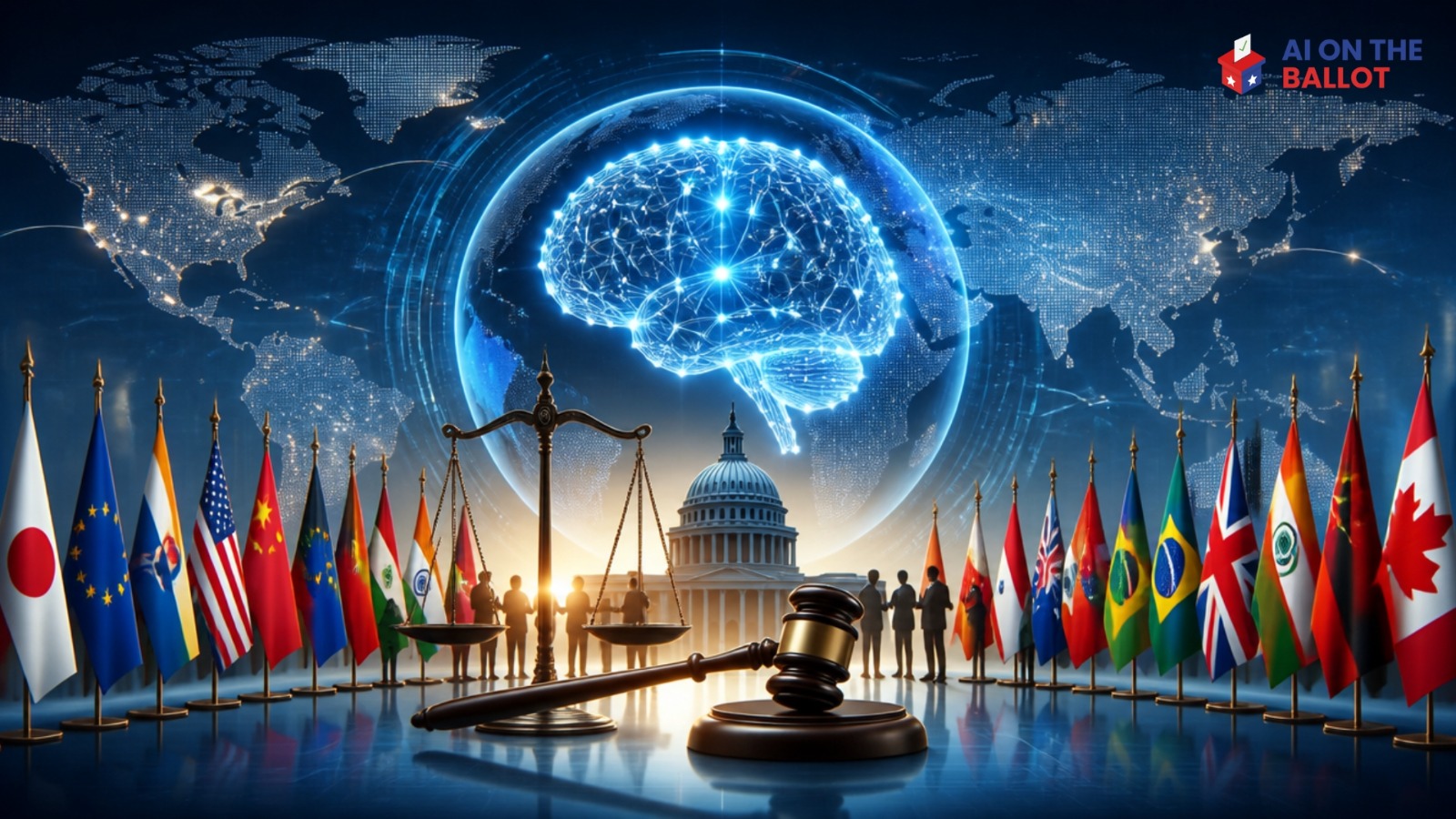
Artificial intelligence changes how people live, work, and connect every day. World leaders race to set clear digital rules for safety. They want to boost tech growth while stopping social harm. This rapid push makes AI governance a top priority for every country.
Smart tools make big choices about loans, healthcare, and jobs. When systems make unfair choices, people ask who is at fault. Many citizens ask, “What is AI governance?“ when tech stories break. Clear rules help the public hold tech firms and agencies accountable.
Fast progress in machine learning brings challenges for legal systems worldwide. Software can spread fake news or leak private data quickly. Therefore, leaders promote responsible AI governance to protect safety and public trust.
Strong rules ensure that software serves human welfare with care. Clear standards stop bad actors from using tools for harm. Every country must build solid AI governance to secure a safe future.
What Is AI Governance?
Many business owners and everyday workers ask, “What is AI governance in simple terms?” In plain words, it is the full set of rules that guide artificial intelligence. It includes company rules, national laws, global pacts, and ethical codes. These rules ensure that computer systems stay safe, fair, and open at all times.
People often mix up broad governance ideas with strict government legal rules. To grasp what AI governance is, you must look at how groups manage digital risks. Governance includes internal company ethics boards and voluntary technical guidelines. In contrast, regulation means mandatory government laws that carry official cash fines.
A clear real-world case shows how this works in daily life. A hospital sets internal rules to check diagnostic software for fairness and safety. That hospital uses good AI governance to protect its patients every day. When lawmakers pass mandatory data laws, the hospital must follow formal legal rules.
Why Countries Need AI Governance
Unchecked computer models create serious risks for public life and modern business. Automated tools can reject good job seekers due to hidden algorithmic bias. Smart software can also spread fake media and drive online scams. Practicing responsible AI governance protects citizens from these digital harms across daily life.
Public trust is the bedrock of any successful digital rollout today. People will not use automated tools if they fear bias or data theft. Clear policies ensure that tech creators take full blame for software errors. Safety checks stop system crashes in power grids and water plants. Solid national ai governance gives the public confidence to use digital tools safely.
How Different Countries Govern AI
National governments take varied paths to manage artificial intelligence within their borders. Each country balances tech growth against public safety based on local needs. Today, building a good AI governance framework requires clear legal and economic choices.
United States
The United States uses flexible industry guides and focused state laws. Federal agencies use voluntary standards to steer corporate safety tests. Meanwhile, states like California pass laws to protect user data. This mixed path balances private business growth with consumer safety rules.
European Union
The European Union created the first comprehensive digital rulebook through the AI Act. This law sorts artificial intelligence tools into four risk tiers. It bans dangerous tools like social scoring and harmful biometric tracking. High-risk systems must meet strict data quality and safety checks.
China
China uses targeted laws that focus on algorithms and online content. State agencies demand security checks before companies release smart tools. Tech firms must register code and label fake media clearly. These state rules focus on social order and information control.
India
India takes a balanced path that supports tech growth while protecting citizens. The government uses digital media rules to mandate labels on synthetic content. Indian policies focus on ethical software use and public digital systems. This practical method supports local tech firms while stopping harmful deepfakes.
Key Components of an AI Governance Framework
Building safe software requires clear steps and technical guardrails. A solid AI governance framework helps teams manage technology well. These core parts ensure that automated systems deliver fair results.
- Risk Management: Teams spot potential software flaws before launching tools to the public.
- Human Oversight: Human bosses keep the power to stop automated choices when errors occur.
- Documentation: Engineers record training data, system setups, and test results in clear logs.
- Monitoring: Staff track live software to catch accuracy drops and hidden bias early.
- Compliance: Audit teams ensure that all active software tools follow local laws.
Good risk control starts in early software design. Builders must see how training data affects real-world outcomes. Setting up a strong AI governance framework prevents costly fixes later. Companies that keep clear logs build tools that pass audits.
Human leaders must stay in control of automated systems. This rule of active AI oversight stops programs from causing harm. When loan software denies an applicant, humans review the file. Regular checks keep software fair, safe, and useful.
What the Future of AI Governance Looks Like
Smart software works across borders without caring about national lines. Therefore, single nations cannot manage safety risks alone. Global AI groups build shared technical tests to unite countries. The future of global AI governance relies on cross-border teamwork.
New global treaties will set unified rules for digital tools. Leading nations must share risk data to stop code abuse. Global pacts will also require constant AI oversight for giant models. This shared effort ensures that smart tools help everyone safely.
FAQs
What is AI governance?
It is the system of rules and practices that guide artificial intelligence. It ensures that software works safely, ethically, and openly across society.
Why is AI governance important?
It stops algorithmic bias, protects personal data, and curbs harmful fake media online. Strong rules build public trust so people use new technology with confidence.
How is AI governance different from AI regulation?
Governance includes company values, technical guides, and internal team policies. Regulation means mandatory government laws that carry legal fines for non-compliance.
Which countries have AI governance frameworks?
The European Union, the United States, China, and India have active frameworks. Dozens of nations now build rules to manage digital risks.
What is AI oversight?
It is the process of watching automated tools through human review and audits. Human supervisors check system outputs to catch errors and stop harmful bias.
Can businesses create their own AI governance framework?
Yes, businesses build internal rulebooks to manage legal risks and protect their brand. Companies set up ethics boards, risk audits, and safety tests.