

AI in Political Campaigns: How Candidates Are Using Artificial Intelligence

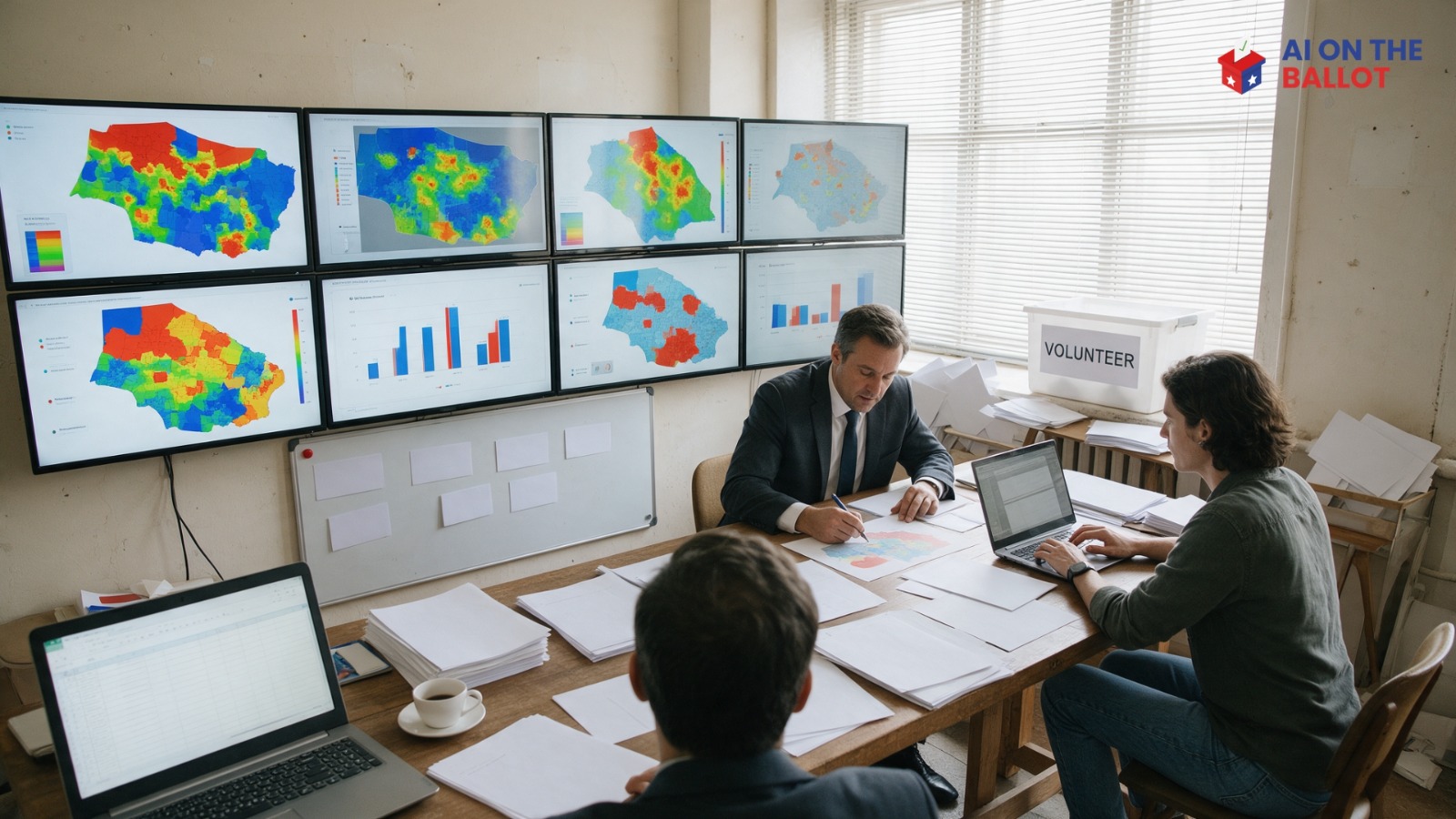
Modern election cycles move faster than ever before. Today, political teams face immense pressure to reach millions of voters instantly. To stay ahead, campaign managers now deploy modern machine learning systems. Modern AI in political campaigns changes how strategists plan their outreach every day. Data now guides every major campaign decision. Strategic teams look at real-time numbers rather than gut feelings. This technological shift impacts both national races and local neighborhood contests. Candidates use artificial intelligence in politics to connect directly with individual community members.
The Digital Evolution of Modern Elections
Old campaign tactics relied heavily on standard direct mail and rigid television commercials. These static methods often wasted precious budget on disengaged households. Now, digital algorithms analyze public voting records with remarkable speed and precision. Modern AI election campaigns point to specific issues that matter to diverse communities. Modern campaign software also analyzes changing public sentiment across major online platforms. Smart algorithms scan thousands of voter comments and news reactions every hour. Campaign directors adjust their daily speaking points based on these instant data streams. Candidates use modern AI campaign tools to keep their core message fresh and relevant.
Instant Voter Insights and Feedback
Field directors no longer wait weeks for expensive phone poll results. Advanced machine learning models test sample arguments across digital voter panels within minutes. These instant data tests reveal which topics resonate best with undecided families. Campaign analysts rely heavily on AI for political campaigns. This helps them to build persuasive public appeals. Strategists also track how voters respond to specific economic and social policy statements. When voter concerns shift quickly, campaign teams adapt their town hall presentations immediately. This real-time agility keeps the candidate relevant in competitive media markets. Modern AI policy leaders often highlight these rapid feedback loops during strategic discussions.
Key Ways Candidates Deploy Artificial Intelligence
Campaign teams deploy automated technology across several core operational areas. Machine learning systems cut administrative costs and speed up daily production schedules. Below are the primary ways campaign managers use automated tools today:
- Customized Voting Outreach: Engines craft customized emails targeted at specific groups of voters.
- Undecided Voter Modeling:
Predictive models determine undecided voters who may fail to turn out on voting day. - Optimized Fundraising:
Intelligent systems help to determine the right amount to ask from donors. - Media Creation:
Advanced generative systems can quickly create digital fliers, speech outlines, and scripts.
Fundraising operations gain an immediate performance boost from machine learning systems. Smart algorithms test hundreds of subject lines across diverse demographic groups simultaneously. Small-dollar donor growth often determines the financial health of an entire political operation. Teams rely on AI in political campaigns to turn casual supporters into active monthly donors. Event planning also benefits greatly from advanced geographic data mapping. Algorithms effectively utilize traffic patterns, voter affiliation, and past voter turnout data. Campaign buses go straight to the neighborhoods where the undecided voters reside. High-profile AI policy leaders frequently examine these targeted logistics patterns in governance seminars.
Micro-Targeting and Hyper-Personalized Messaging
Everyone has their own individual priorities regarding local, state, and federal issues. For example, a person cares about education, and another one is only concerned with business taxes. Traditional television cannot serve personalized ads at two locations at the same time. Specialized AI campaign tools segment massive voter files into narrow interest clusters instantly. Field teams can then draft highly relevant updates for each neighborhood block. A working parent receives a brochure about neighborhood childcare directly on their phone. A local shop owner gets an email detailing proposed commercial tax breaks. Candidates rely on AI election campaigns to ensure their promises match community needs. However, hyper-targeted messaging raises serious questions about political transparency across communities. Critics worry that candidates might deliver contradictory promises to different audience groups privately. Voters must actively research candidate platforms across official public policy websites. Top journalists track these concerns closely during AI policy in the 2026 US elections.
Ethical Boundaries and Emerging Regulations
The rapid adoption of automated tools creates new ethical risks across democratic elections. Deceptive audio clones and hyper-realistic synthetic videos can mislead voters before debates. Campaign watchdogs demand clear digital labels on all machine-generated election materials. The strategic consultants address these pressing regulatory frameworks on AI regulation podcast episodes.
The federal agencies and state legislatures are debating new regulations for disclosures in digital election ads. Several states have banned synthetic media close to the voting period. Platform moderators also work hard to remove malicious political deepfakes quickly. Clear guardrails protect the delicate balance of fair and open democratic debate.
- Digital watermarks must identify all automated campaign advertisements.
- Campaign teams must verify all automated voter texts before transmission.
- Platforms must remove non-consensual voice clones of political figures immediately.
Campaign ethics officers must remain vigilant throughout the entire election calendar. Even minor errors in automated voter outreach can damage a candidate’s public trust. Political teams must combine automated efficiency with human oversight and strong personal integrity. Listen to the latest episode on our AI regulation podcast. Explore these evolving standards.
Preparing for the Next Electoral Cycle
Campaign operations will integrate automated intelligence even more deeply in upcoming races. Smart teams adopt strict internal guidelines to protect voter privacy and data security. Transparent operations always win more long-term community trust than deceptive digital tricks. The tech discipline will dictate the optimal AI policy in the upcoming US election of 2026. Modern democracy functions most effectively when people have access to truthful information. Artificial intelligence is an excellent tool for communication. However, humans should be leading all the time. Responsible candidates use modern technology to build bridges, not confusion. Strategic managers leverage AI in politics to strengthen civic participation across the country.
Strengthen Your Campaign Strategy Today
Are you eager to master modern political technology and ethical communication standards? Our expert panel breaks down the tools, legal shifts, and digital campaign tactics. Discover how top strategists navigate rapid digital transformation without losing public trust.
Listen to the Podcast to hear exclusive interviews with stalwarts. The list includes top political technologists, election legal analysts, and national campaign strategists!
FAQs
-
What are AI campaign tools?
AI campaign tools are specialized software apps that use ML to manage political campaigns. These programs analyze voter files, predict election turnout, and draft personalized campaign emails. quickly. They also optimize digital ad spending across major search engines and social media platforms.
-
Can political candidates use AI to communicate with voters?
Indeed, political candidates often employ automated technology in their communications with voters. The software helps in a variety of jobs. It includes writing fundraising emails, sending text messages, and running conversational phone robots. However, ethical campaigns maintain strict human oversight over all voter communications. This ensures complete factual accuracy.
-
How does AI help with voter targeting?
AI identifies complex patterns across vast voter databases and demographic records. The software groups voters by their specific community interests, past voting habits, and primary economic concerns. These teams then send personalized and relevant messages to those specific voter segments.
-
What are the risks of using AI in political campaigns?
Risks in this regard involve disseminating misinformation on social media, creating false deepfake videos, and breaching voter information privacy. Unleashed automation can cause fact hallucinations. And that would tarnish the reputation of the politician. Moreover, overtargeting through messaging may lead to community division and civic discourse destruction.
-
Can AI-generated content influence elections?
Yes, AI-generated content can impact voter beliefs and voter turnout decisions. Fake narratives can be shared quickly through various mediums. It includes hyper-realistic images, cloned phone calls, and automated social media accounts. Digital literacy and transparency labels in platforms allow citizens to distinguish true information.
-
Are there rules governing AI use in political campaigns?
Yes, indeed! Election commissions and state legislatures have been passing new transparency and disclosure laws. Most areas require all political ads and campaign videos using AI to have visible labels. Social media sites also have very strict laws for deceptive election material and impersonation.