

How to Spot an AI-Generated Political Ad: A Voter’s Guide
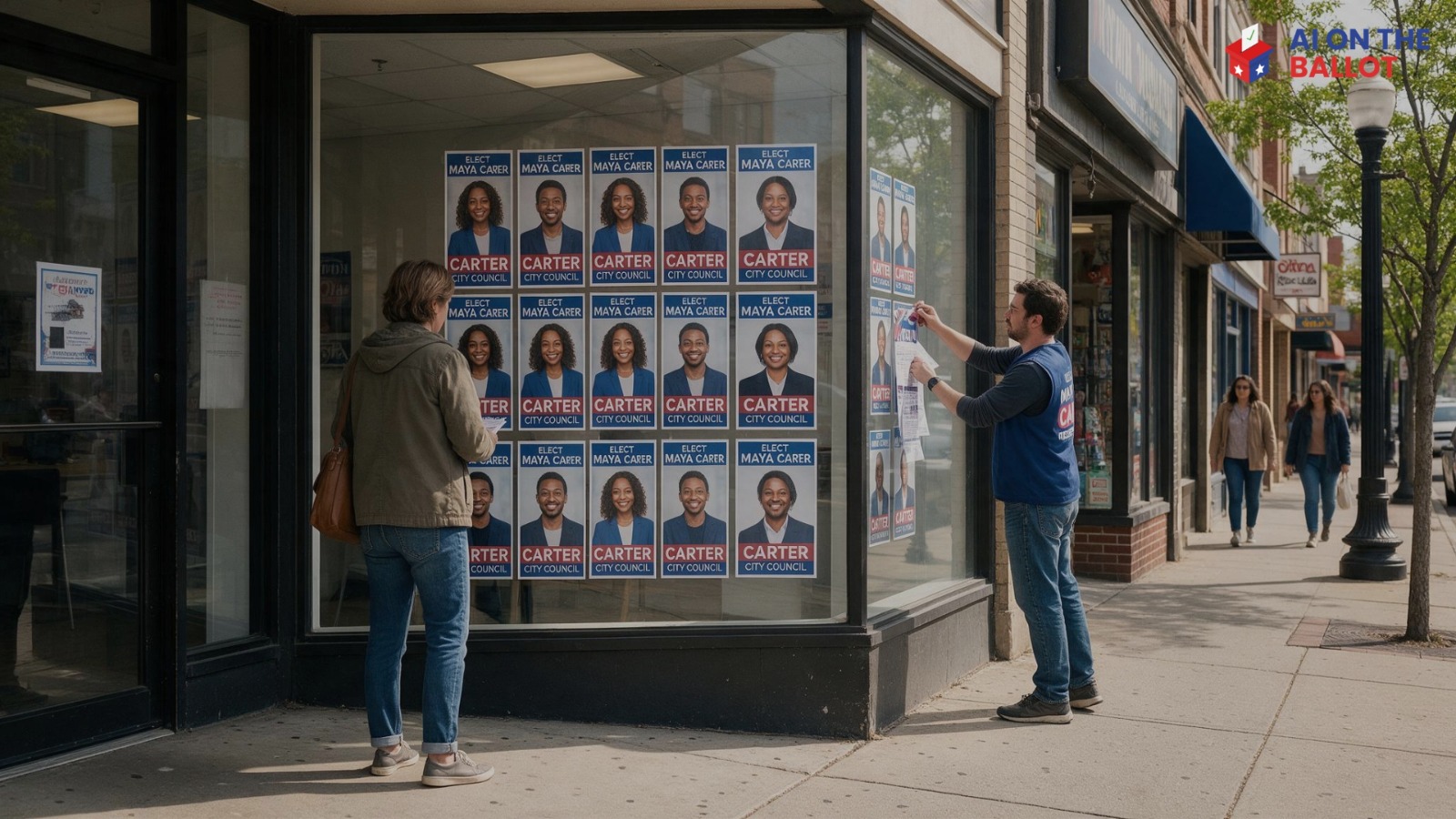
Political campaigning changes rapidly during every election season. Today, digital creators build synthetic videos within minutes using affordable software tools. Voters encounter hyper-realistic fake speeches across social feeds daily. Knowing how to detect AI-generated political ads is essential for democracy. Voters must stay alert whenever video clips stir strong personal feelings. Deceptive groups fabricate scandals to suppress turnout and provoke outrage. You can navigate elections safely once you know how to identify AI-generated content.
Visual Glitches That Expose Synthetic Media
Generative video software creates stunning visuals, but it struggles with small physical details. You can spot fabrications quickly by watching natural human motions. Recognizing these visual flaws helps you detect deceptive AI political ads.
Facial Oddities and Unnatural Movement
- Look closely at how the speaker blinks their eyes.
- Check whether teeth appear blurred or show too many enamel ridges.
- Notice if eyeglasses reflect light that does not match the room.
- Watch for blurry skin textures that lack normal human pores.
Digital rendering tools often create artificial facial movements that look robotic. Lips might move slightly out of sync with spoken words. Our team at the AI policy press center documents these digital artifacts.
Strange Backgrounds and Hands
- Count the fingers visible on each hand during dramatic gestures.
- Look for distorted shapes in background crowds or street signs.
- Check whether shadows fall in consistent directions across the screen.
- Watch for jewelry or shirt collars that melt into skin.
Generative neural networks often struggle to produce anatomically correct hands. Background details may blur together or warp during sudden camera pans. Sharp viewers spot these flaws within deepfake political ads instantly.
Audio Clues and Voice Cloning Tricks
Deceptive actors clone candidate voices to spread fake endorsements or false voting dates. Modern audio tools replicate vocal pitch with remarkable precision. However, careful listening reveals robotic errors within malicious political deepfakes.
Listening for Synthetic Voice Flaws
- Listen for missing breaths between long, complex sentences.
- Pay attention to flat, robotic emotional tones during heated statements.
- Notice sudden hiss noises or background static behind spoken words.
- Watch for abrupt audio cuts that clip natural speech rhythms.
Human speakers pause naturally to catch their breath while delivering speeches. Voice synthesis tools frequently generate flat cadences that lack genuine feeling. Leading AI policy experts warn that audio cloning poses unique risks to local elections.
Context Clues and Emotional Manipulation
Fabricated campaign media rarely appears without distinct contextual warning signs. Creators craft shocking stories designed to make you angry or fearful. Voters should question dramatic claims made inside AI-generated political ads.
Emotional Triggers and Breaking Scandals
- Ask yourself if the clip aims to spark extreme immediate anger.
- Verify whether mainstream news outlets report the supposed breaking scandal.
- Check if official campaign websites acknowledge the controversial speech.
- Notice whether the video clip cuts out important surrounding context.
Disinformation networks distribute synthetic media to divide voting communities rapidly. Bad actors count on your outrage to trigger quick online shares. Independent researchers highlight these tactics in our latest AI governance election analysis.
Source Checking and Digital Footprints
- Inspect the account handle that originally uploaded the viral video.
- Look for mandatory digital watermarks or platform disclaimer labels.
- Search for unedited footage from the same press conference or rally.
- Use reverse image search tools to track source footage.
Verified political campaigns host official speeches directly on their verified channels. Unofficial accounts often distribute manipulated media without transparent attribution. Identifying original sources stops the spread of deceptive AI political ads.
How AI Video Generators Mislead Voters
Modern campaigns experiment with generative media to reduce production costs. However, unregulated generative tools blur the line between satire and manipulation. Voters need reliable media habits to counter sophisticated political deepfakes.
Common Deceptive Tactics
- Creating fake footage of candidates making offensive remarks.
- Fabricating fictional military crises or economic disasters overnight.
- Generating synthetic audio calls that announce incorrect polling dates.
- Inserting fake background crowds into empty campaign rally videos.
Automated tools produce synthetic media faster than fact-checkers can review it. Algorithmic distribution networks then amplify these clips to targeted voter segments. Analysts explain these rapid threats through our specialized AI governance election analysis.
Why Detection Tools Fall Behind
- Generative software companies update their rendering engines every month.
- Low-resolution uploads disguise common visual glitches and facial artifacts.
- Video compression algorithms smooth out synthetic image distortions.
- Malicious actors crop frames to evade automated detection filters.
Platform algorithms cannot catch every manipulated video uploaded across networks. Human judgment remains the most dependable defense against digital manipulation. Our research at the AI policy press center tracks these detection challenges continuously.
Tap here and Learn How AI Is Changing Elections.
Taking Action Against Political Disinformation
Voters hold significant power when they refuse to share unverified clips. Taking simple verification steps stops manipulated media in its tracks. Every citizen can master how to identify AI-generated content before entering the voting booth.
Your Personal Verification Routine
- Pause before sharing any shocking political video on social media.
- Verify sensational claims made by candidates using reliable news agencies.
- Inform platform moderators about deceiving political advertisements.
- Inform friends and family members about common synthetic video signs.
Critical thinking helps keep public discourse safe from targeted disinformation efforts. Don’t rush when examining viral media before you cast your ballot. AI policy experts stress that an informed citizenry produces a strong democracy.
Ready for more insight on synthetic campaigning?
FAQs
1. How can I tell if a political ad was created using AI?
Identify inconsistencies in lighting, unnatural movements in the face, and strange finger counts. Unusual audio patterns will reveal when you are watching AI-generated political ads.
2. Are AI-generated political ads legal in the United States?
Although the federal government allows it, some state laws insist on the use of disclaimer tags. Political organizations have to label any deepfake political ads.
3. What are the most common signs of a deepfake political ad?
These can be identified through distorted skin textures, artificial voices, and background distortions. Look out for weird pauses and unnatural blinking eyes in AI political ads.
4. Can AI-generated political ads influence voters?
Certainly, emotive artificial intelligence media may skew people’s opinions about candidates since false narratives can influence undecided voters, who don’t know how to identify AI-generated content.
5. How can voters verify whether a political advertisement is real?
Cross-reference claims with official campaign sites and reputable news outlets. Checking original press coverage helps voters expose malicious political deepfakes.
6. What should I do if I find a misleading AI-generated political ad?
Report the manipulated posts to the platform moderators and inform independent fact-checkers. Posting of factual information is useful in fighting AI-generated political ads.